







Search Results for: Coffee Cup Brands
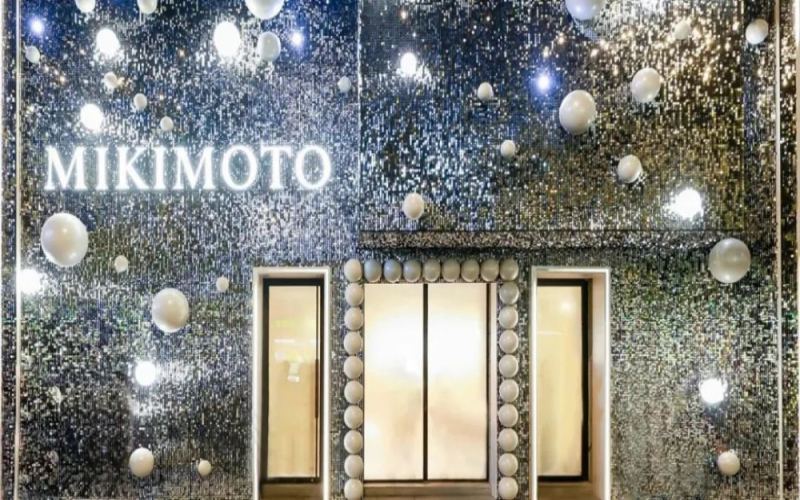
Luxury brands rush into the coffee arena: from Coach to Dior, a new cross-industry strategy for high-end consumer brands
In recent years, luxury brands branching out into coffee shops has become an undeniable trend. From Vivienne Westwood to Coach, from Dior to Tiffany, numerous high-end consumer brands have opened cafés or launched limited-time pop-ups in cities such as Shanghai and Beijing. These venues sell themselves on exquisite décor, branded-logo tableware, and photogenic desserts, with prices ranging from twenty yuan to over a hundred, attempting to close the distance with the general public through a cup of coffee. Yet consumer reviews are mixed: some find it worth the money, while others see the products as perfunctory and the pricing as artificially inflated. This article will examine the market logic and consumer response behind this phenomenon. [more…]
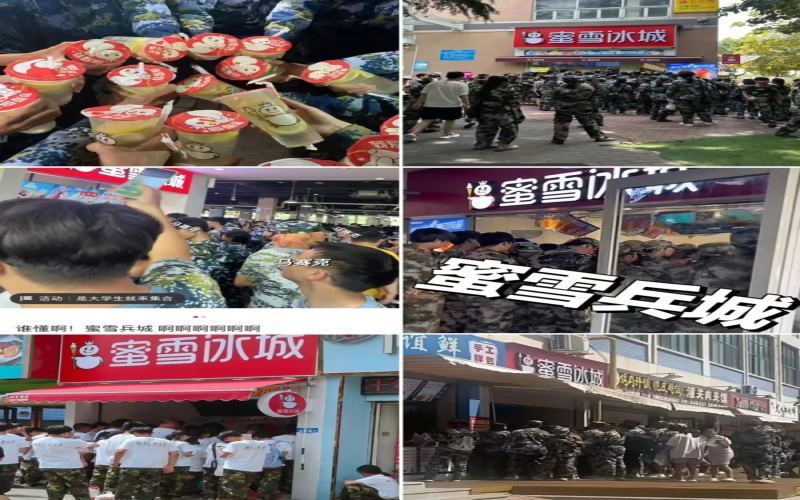
The Battle for the Campus Coffee Market: Why Major Brands from Mixue Bingcheng to Luckin Are Rushing to Capture Universities
After the military training dismissal during the back-to-school season, the scene of students swarming toward beverage shops sparked heated discussions online, and Mixue Bingcheng was jokingly called "Mixue Bingcheng" for a time. In fact, brands such as Starbucks, Cotti, Manner, M Stand, Nowwa Coffee, and Luckin have long quietly established a presence on university campuses, among which Luckin's campus stores have exceeded 1,000. Why have campuses become a must-win battleground for coffee brands? Low-price strategies, dense foot traffic, and relatively low operating costs form the core appeal. Lucky Cup has even made "opening in universities" its primary goal for nationwide expansion, having already opened more than 260 campus stores. This article will provide an in-depth analysis of the competitive landscape, pricing logic, and cyclical challenges of the campus coffee market. [more…]
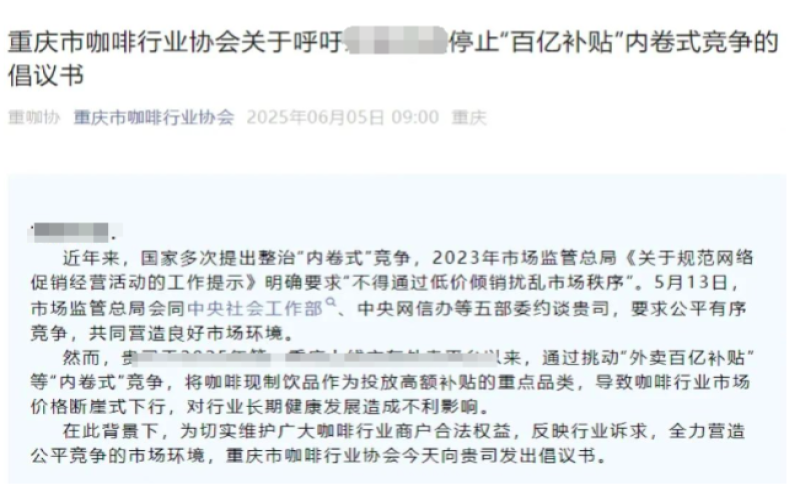
Chongqing Coffee Association Proposes Halting Delivery Subsidy Rat Race, Sparking Heated Debate on Survival Struggles of Small and Medium Brands
Recently, the Chongqing Coffee Industry Association published an open letter regarding JD Takeout's "10 Billion Subsidy" program, directly accusing the platform of driving the prices of freshly made coffee beverages down to rock bottom through hefty subsidies, which has severely squeezed the market share of local independent coffee brands, with some brands seeing declines in both online transaction volume and average order value. The open letter sparked heated discussion among netizens: on one side, food and beverage industry practitioners empathize with the involution caused by subsidies; on the other, consumers strongly support low-priced coffee. Is this subsidy war promoting industry reshuffling or stifling innovation? Can the differentiation strategy of independent coffee shops hold its ground in the price war? This article takes you through the whole story and the views of all parties. [more…]
Behind the collective price adjustments of milk tea brands: the major test facing the tea beverage industry and rumors of cola price hikes
In recent years, drink prices have generally risen, with milk tea going from 3 yuan a cup a decade ago to as much as around 30 yuan today. After the New Year, mid- and low-end brands such as Mixue Ice Cream & Tea, Yidian Dian, and CoCo都可 raised their prices one after another, while high-end brands such as Heytea and Nayuki were already positioned above 20 yuan. Rising costs and the impact of the pandemic have left the tea beverage industry facing a reshuffle, and consumers have reacted differently to the price increases. At the same time, cola may also face upward price pressure because of Canada's tax on sugary drinks, but in the domestic market, given the duopoly competition, the likelihood of price increases is relatively low. This article sorts out the phenomenon of tea beverage price increases and the industry logic behind it. [more…]
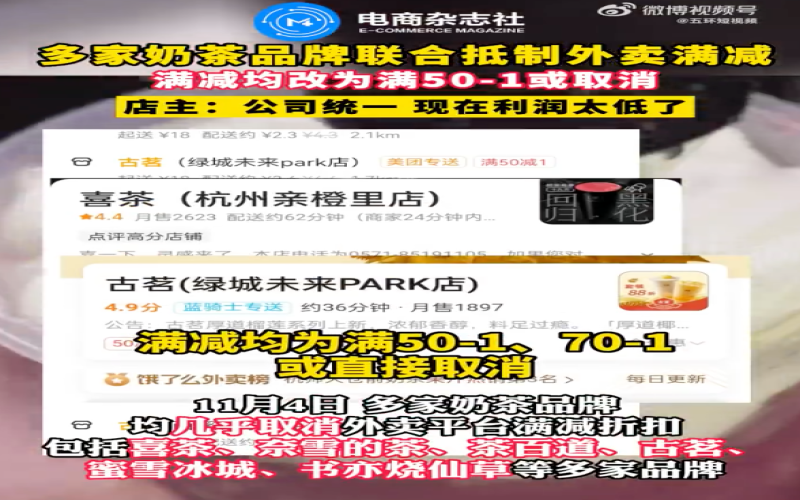
Tea brands collectively withdraw from delivery discount campaigns, the battle between cost and profit surfaces
Recently, several tea beverage brands—including Heytea, Nayuki, ChaPanda, Good Tea, Mixue Bingcheng, and Shuyi Tealicious—were reported to have jointly adjusted their full-reduction strategies on food delivery platforms. The original full-reduction discounts have been uniformly changed to 1 off 50, 1 off 70, or even canceled outright. Once the news broke, related topics quickly trended on social media, with views exceeding 180 million. Merchants say profits are thin, while netizens question why milk tea, which isn't cheap, still isn't making money. Behind this controversy lie both the pressure of platform commissions and delivery costs, and a reflection of the difficult position of the new tea beverage industry, caught between price cuts and losses. [more…]
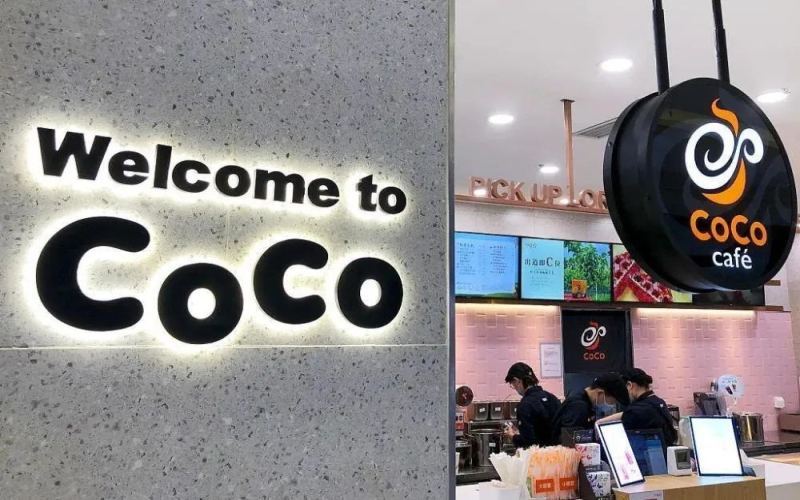
New-style tea brands are crossing over into the coffee sector, intensifying the battle for a hundred-billion market.
In recent years, new-style tea beverage brands have no longer been content with their original track and have turned their eyes toward the coffee sector. From Tea Yanyuese launching an independent coffee brand, to Heytea investing in a specialty coffee chain, and then Naixue Tea taking a stake in AOKKA, cross-sector moves have been frequent. At the same time, Mixue Ice Cream & Tea had long been deeply cultivating the coffee market with "Lucky Cup," and CoCo都可 was even earlier, taking the lead in testing the waters back in 2014. As China's coffee market scale approaches 500 billion, capital and companies of all kinds are accelerating their entry, and the number of financing events has surged. This article will sort out the journey of new-style tea beverage brands entering the coffee track, key cases, and market data, and explore the strategic considerations and industry impact behind this trend. [more…]
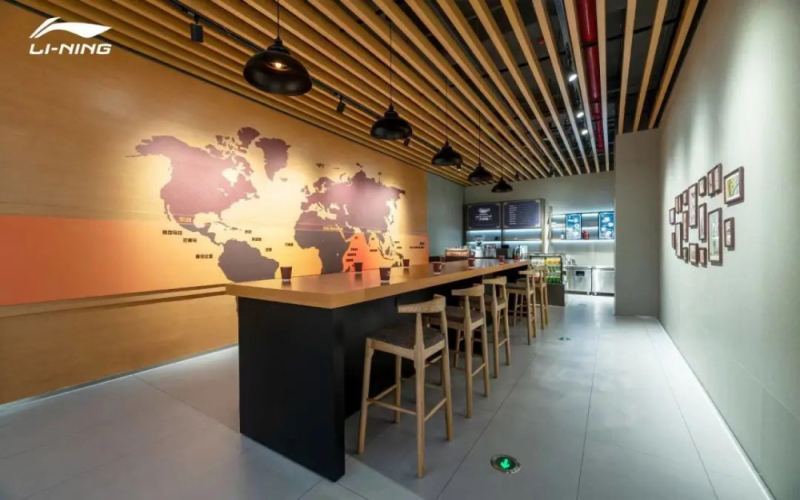
Behind the coffee crossover craze: Why are big brands rushing in, and how far can following the trend go?
In recent years, major brands across all industries have been venturing into the coffee sector—from the post office, Li-Ning, and Xtep to Naobaijin and Huawei, cross-industry coffee sales have become a trend. These brands don't truly intend to dig deep into the coffee track; rather, they are eyeing the youthful traffic and fashionable attributes that coffee naturally carries, using it to get closer to consumers. However, once the hype fades, can cross-industry players lacking a coffee gene continue to attract customers? The fierce competition in the coffee market and the mismatch of consumption scenarios make such attempts full of uncertainty. This article sorts out typical cases of cross-industry coffee, analyzes the marketing logic behind them, and explores the challenges and hidden concerns this model faces. [more…]
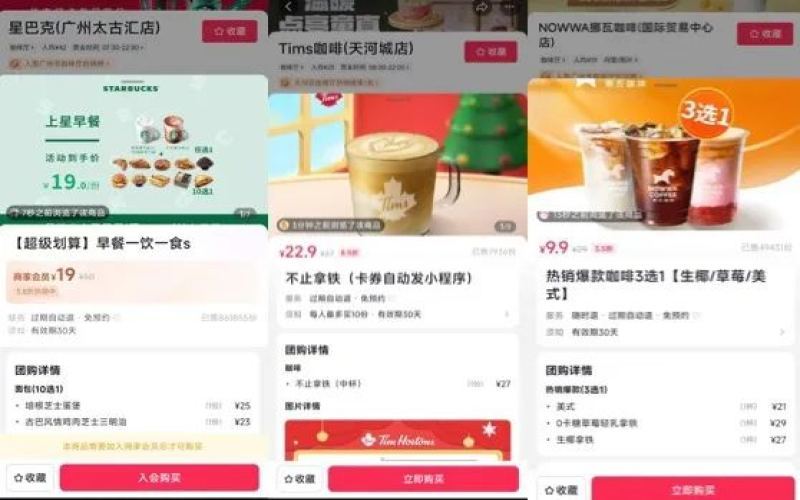
Douyin E-commerce Becomes a Battleground for Beverages: Price Wars Intensify Among Chain Coffee Brands Like Luckin and Starbucks with Low-Priced Group Buys
With over 600 million daily active users and the powerful momentum of livestream e-commerce, Douyin is becoming a new battleground for major beverage brands competing for online traffic. From Luckin and Starbucks to Manner and Tims, and further to Heytea and Nayuki, almost all well-known beverage brands have launched ultra-low-priced group-buy packages on Douyin, with prices far lower than ordering in stores or via mini-programs. Luckin's "male model squad" livestream once sparked heated discussion, with group-buy deals for Coconut Latte at only 14.5 yuan; Starbucks' 19-yuan breakfast package sold over 860,000 cups; Nayuki's 9.9-yuan single-item coffee surpassed one million orders. Behind this online price war is brands' deep strategic push for local exposure and secondary in-store consumption. This article gives you a full picture of this Douyin beverage battle. [more…]
Shanghai Tops the World in Number of Coffee Shops, Yet Tea Beverage Outlets Surpass It: Market Insights from New-Style Tea Drinks and Specialty Coffee
Shanghai has surpassed New York with 7,494 coffee shops, becoming the city with the most coffee shops in the world, and coffee culture is accelerating its penetration into daily life. However, data from Dianping shows that Shanghai has as many as 9,056 tea beverage shops, even more than coffee shops. From 3-yuan instant milk tea to the new-style tea drinks led by Heytea, and then to the ancient-style sentiment of Chayan Yuese, tea beverage brands are deeply cultivating consumers' minds through quality upgrades, cross-industry collaborations, and e-commerce channels. In comparison, the specialty coffee market still remains to be developed, and most consumers have limited awareness of pour-over and specialty coffee. The coffee industry can learn from the successful path of tea beverage brands. Brands such as Front Street Coffee need to promote culture and ensure quality in order to move consumers. [more…]
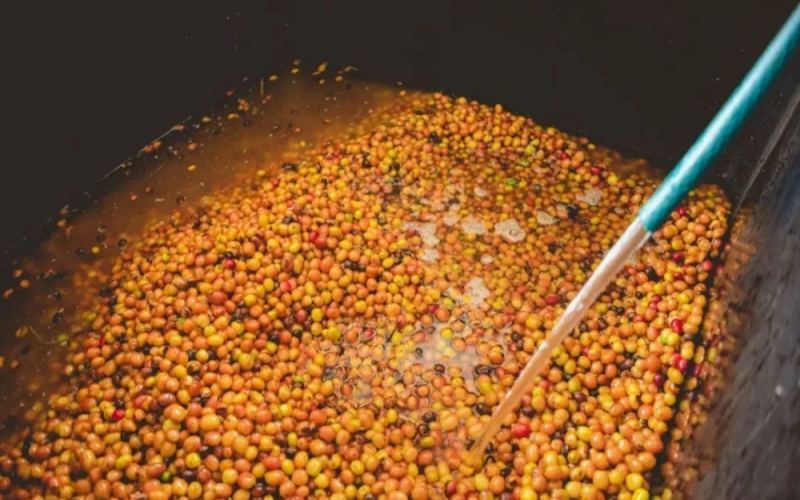
An Overview of Colombian Coffee Brands and a Pour-Over Guide: A Complete Analysis from the Huila Region to the Flavors in Your Cup
Colombia, as the world's third-largest coffee producer, has a well-developed industry system including FNC and CENICAFE. Its terrain spans three major regions from south to north, with distinct harvest seasons, giving rise to many coffee brands each with its own characteristics. This article systematically reviews well-known brands such as Juan Valdez, Ming Coffee, Gevila, and Colin, analyzes the smooth and sweet flavor characteristics of Colombian coffee, and provides an in-depth introduction to the regional divide between commercial beans and specialty beans—the three major MAM production regions in the central and northern parts and specialty production regions such as Huila in the south each have their own strengths. Finally, it includes the pour-over parameters and staged extraction plan for Front Street Coffee Colombia Huila Caturra Washed beans, providing coffee lovers with a complete reference from bean selection to brewing. [more…]
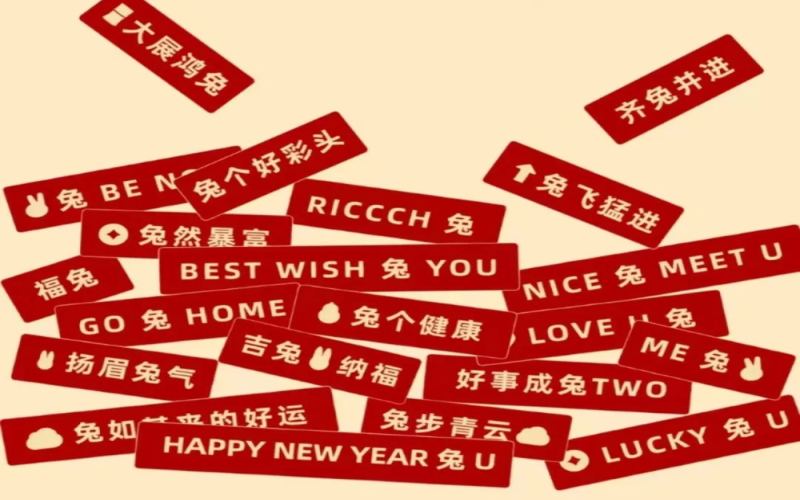
The Rabbit Zodiac IP Becomes a New Battleground for Coffee Marketing: A Review of New Year Limited-Edition Strategies from Luckin, Starbucks, Nestlé, and Other Brands
As the Lunar Year of the Rabbit approaches, the New Year marketing battle in the coffee beverage industry has quietly begun. Major brands are launching creative campaigns around the zodiac "rabbit," from puns and auspicious sayings to limited-edition new products, from co-branded designs to merchandise, all trying to capture consumer mindshare in the fierce market competition. Luckin has teamed up with artist Han Meilin to launch the "Double Rabbit" series, Starbucks offers three limited-edition drinks paired with cute rabbit merchandise, and Nestle Nespresso has collaborated with designer Angel Chen to create an eco-themed gift box. This article reviews the Chinese New Year marketing moves of major coffee brands, analyzes how zodiac IPs help brands build emotional connections with consumers, and explores that, amid the trend, product quality and creative output are the key to standing out. [more…]

A review of the entrepreneurial journeys of the world's top ten coffee chain brands, with an analysis of the local specialty of Front Street Coffee
Coffee culture has taken root and flourished around the world, and major chain brands each have their own unique development trajectories and business philosophies. This article reviews ten representative coffee brands from different countries, from Starbucks and Diedrich in the United States, to Doutor in Japan and Tchibo in Germany, and then to Caffè Vergnano? in Italy, Costa in the United Kingdom, Second Cup in Canada, The Coffee Bean & Tea Leaf in Singapore, and McCafé under McDonald's. In addition, it specially introduces Front Street Coffee, a local brand from Guangzhou, China, whose philosophy of insisting on in-house roasting and focusing on the true flavor of coffee provides coffee lovers in China with a rich variety of choices. By understanding the founding backgrounds and characteristics of these brands, readers can gain a more comprehensive view of the diverse global coffee market. [more…]

Can Dirty Coffee Be Packaged for Takeaway? From Cup Style to Experience, How Specialty Coffee and Chain Brands Differ in Their Interpretations
As a breakout hit in the specialty coffee scene, Dirty has won over countless coffee lovers with its unique structure: purified milk on the bottom and espresso on top. However, when a customer asks to pack a Dirty to go, a tug-of-war with no standard answer unfolds between the barista and the consumer. Starting from a New Year joke, this article explores the controversy over whether Dirty can be served in a takeaway cup, sorts out the differences in serving methods between independent shops and large chain brands, analyzes how brands such as Luckin and Manner interpret Dirty differently, and considers how baristas and customers can reach an understanding about the product's positioning. [more…]
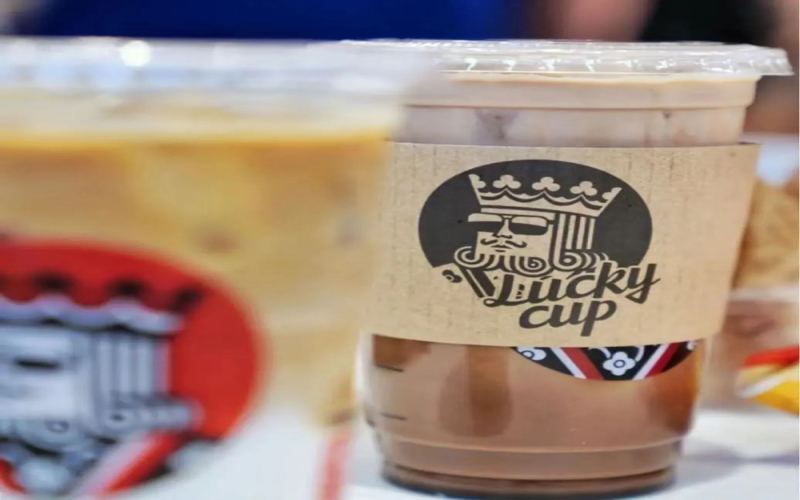
How do local chain brands lower coffee prices? Are cheap beans really a quality concern?
Many people habitually assume that coffee should be expensive, and that cheap coffee must have something wrong with it. But the emergence of domestic Chinese coffee chains has shattered this belief, bringing freshly ground coffee down to just over ten yuan or even under ten. This article explains, from the perspectives of consumer attitudes, market development, and cost structure, why coffee can be cheap, and why the relationship between coffee bean quality and price is not simply proportional. It also provides coffee enthusiasts with professional channels for exchange and ways to purchase specialty beans. [more…]
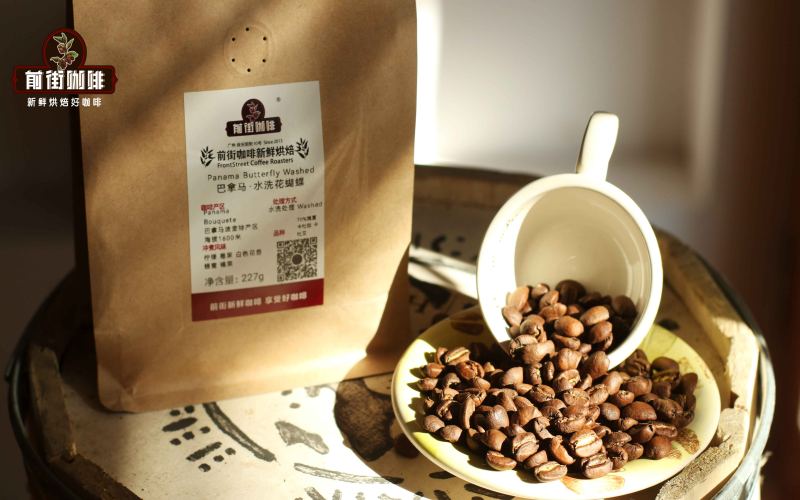
A Review of Six World-Renowned Coffee Bean Brands: Front Street Coffee and Representative Brands from Italy and Japan in Full Analysis
The world of coffee is rich and varied, and the roasting philosophies and flavor pursuits behind different brands are all distinct. This article will introduce you to six representative coffee bean brands from around the world: from Front Street Coffee, which offers more than 50 kinds of freshly roasted beans, covering classic origins such as Yirgacheffe and Mandheling, to Italy's national treasure brand illy, the sales leader Lavazza, Bristot, which has a long history and insists on roasting after receiving orders, Piazza Doro, with 250 years of heritage, and the Japanese specialty coffee group Ucc. From everyday drinking beans to a noble Blue Mountain experience, these brands interpret the charm of coffee in their own ways. [more…]
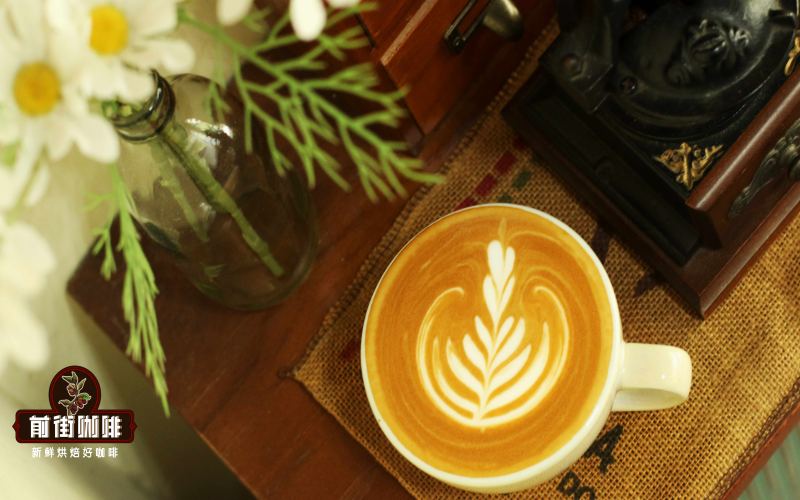
A Global Roundup of Famous Coffee Brands | An Analysis of the Characteristics and Historical Background of Blue Bottle, Starbucks Reserve, Peet's, and Other Brands
From San Francisco in the United States to Kyoto in Japan, from London to Guangzhou, every well-known coffee brand has a unique development story and flavor philosophy behind it. This article systematically reviews internationally representative brands such as Blue Bottle Coffee, Starbucks Reserve, % Arabica, Peet's Coffee, and Costa Coffee, interpreting their respective founding backgrounds, core positioning, and product features. It also introduces the business philosophy and bean-selection advantages of the Guangzhou-based local brand Front Street Coffee, helping coffee lovers find the cup that suits their taste while learning about brand culture. [more…]
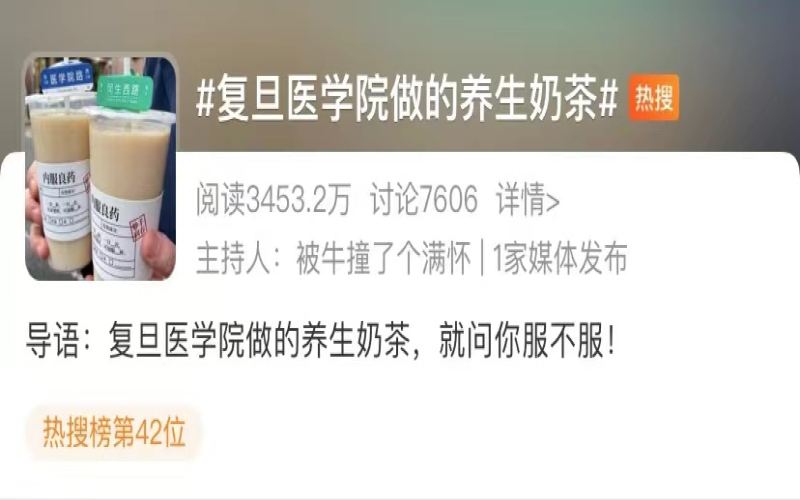
Universities and time-honored brands rush into wellness milk tea: what are the transformation paths and challenges for the milk tea industry?
When milk tea cup sleeves at Fudan University Medical School are printed with drug instructions, when Beijing University of Chinese Medicine adds ginger, cinnamon, dried tangerine peel, red dates, and goji berries to milk tea, and when Shanghai's time-honored Chinese medicine brand Tong Han Chun Tang uses "medicine and food homology" as a selling point to launch ginseng and peach gum milk tea, the milk tea category is undergoing a transformation attempt from "junk food" to "health drink." University cafeterias, Chinese medicine shops, and time-honored brands are all crossing over into the market, trying to reshape the image of milk tea with the concept of health. At the same time, milk tea brands are also making changes on the ingredient side, with fresh fruit and fresh milk replacing non-dairy creamer as selling points. However, news about milk tea on trending searches is repeatedly linked to food safety issues, and the road to transformation is not smooth. [more…]
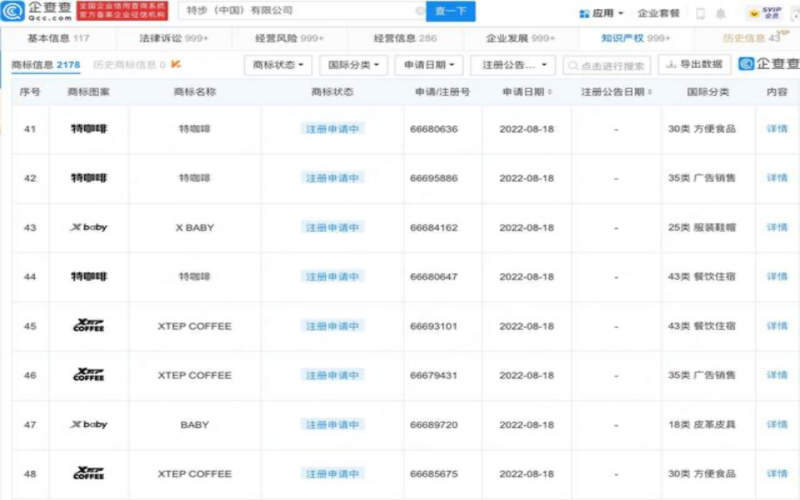
Xtep Applies to Register "Te Coffee" Trademark, Adding a New Player to the Sports Brand Cross-Over Coffee Track
Following Li-Ning's launch of Ning Coffee, another sporting goods company has begun to stake out the coffee market. According to Qichacha, Xtep (China) Co., Ltd. has applied to register multiple coffee-related trademarks, covering categories such as food and beverage services and accommodations, convenience foods, and advertising and sales. In recent years, from tea beverage brands to time-honored traditional Chinese medicine brands, and from education companies to tech giants, cross-industry forays into coffee have emerged one after another. Is Xtep's move this time a continuation of its approach of innovating the in-store experience, or is it intended to open up an entirely new business territory? This article will review Xtep's coffee layout moves and look back at typical cases in recent years of brands from various industries crossing into coffee. [more…]
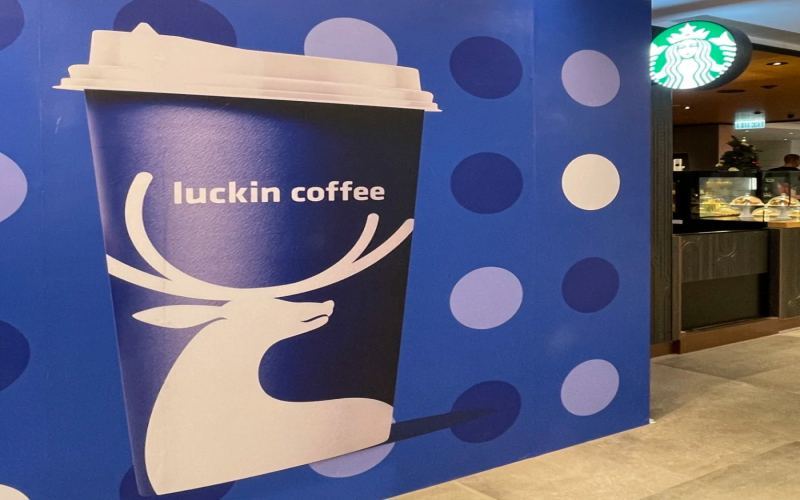
Luckin Coffee's Hong Kong layout of seven stores: can its affordable pricing strategy continue? This has drawn attention.
Luckin Coffee has been making frequent moves in the Hong Kong market recently. According to netizens' compilation, seven stores are currently in the preparatory stage, located in Mong Kok, Tsim Sha Tsui, Tseung Kwan O, Kowloon Tong, Sha Tin, Ho Man Tin, and Sheung Wan. Among them, the Tsim Sha Tsui branch is situated right next to Starbucks, seen as a signal of direct confrontation between the brands. These stores are all currently shown as under renovation, with hoardings marked "Opening Soon." The Tsim Sha Tsui store is expected to open first early next month, and the Tseung Kwan O store is also expected to welcome customers in December. As Hong Kong people increasingly travel north to consume, mainland catering brands are heading south to test the waters. Luckin's entry has local consumers eagerly anticipating whether "9.9 yuan coffee" can land in Hong Kong. [more…]
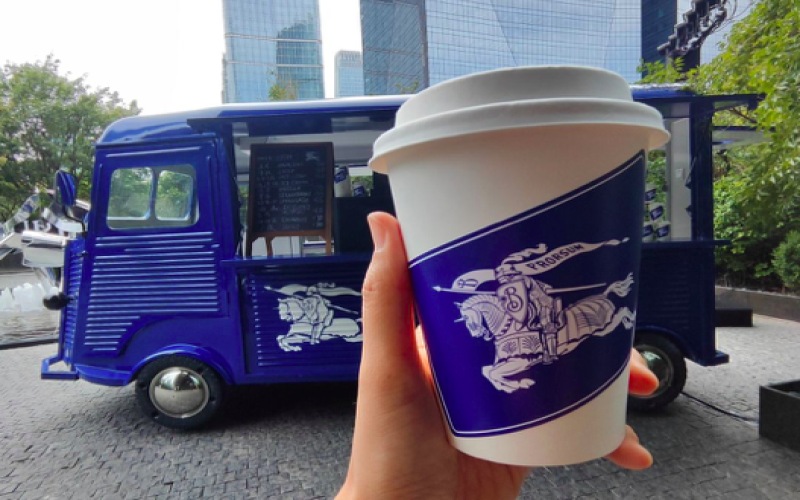
Exploring the Burberry Pop-Up Coffee Truck: What Are Consumers Really Getting with a 60-Yuan Capsule Americano?
Luxury brands venturing into coffee is nothing new—LV, Dior, Gucci, and others have all launched themed coffee events. Recently, Burberry opened a sapphire-blue pop-up coffee truck downstairs from the Rosewood Beijing, drawing plenty of passersby and aesthetics-driven visitors to stop and take photos. However, after one curious consumer paid a visit, they discovered that the coffee here, averaging 60 yuan a cup, was actually made with Nestlé capsules—and the latte they ordered turned out to be an Americano when it arrived. Even more surprising, the handwritten menu had misspelled the English word for Americano. Is this cup, jokingly called "90% emotional value" by netizens, actually worth paying for? Let's find out. [more…]